A slow-draining kitchen sink that takes minutes to empty is more than an inconvenience; it's an early warning sign of a developing pipe obstruction. Whether you're washing up after dinner in Parramatta or running a cycle in Sutherland, a sluggish drain rarely resolves on its own. If your kitchen sink draining slowly has become the new normal, it's worth understanding why before the situation worsens.
The possibility of a delay is genuine. If you ignore a sink that is draining slowly, it can result in a total blockage, continuing unpleasant odours, hygiene problems in the area where you prepare food and possible water damage underneath the cabinetry. A blocked sink in Sydney that homeowners dismiss as minor can quietly escalate into a costly repair requiring emergency intervention.
In this blog, we'll cover the main causes of kitchen sink drainage issues, safe step-by-step DIY checks you can perform at home and when to contact a blocked drain plumber in Sydney that residents trust for a long-term solution. Sydney homeowners dealing with recurring drainage problems will find this resource particularly useful.
Common Causes of a Slow-Draining Kitchen Sink
Understanding what's causing the slowdown is the first step toward fixing it properly. Whether you're dealing with a slow-draining kitchen sink caused by years of grease accumulation or a deeper structural issue, most kitchen drain problems trace back to one or more of the following culprits.
Fats, Oils, and Grease (FOG)
Fats, oils and grease, collectively known as FOG, are the leading cause of blocked kitchen drains across Sydney. When warm liquid fats are poured down the drain after cooking, they cool quickly as they reach the pipes and solidify against the pipe walls, forming a sticky layer that gradually traps food particles and narrows the water passage over time.
Although one instance of pouring cooking oil down the drain may not cause an immediate blockage, repeated disposal can eventually restrict water flow.
Food Residue & Coffee Grounds
Food scraps and coffee grounds really make things worse. Things like celery strings, potato peels and onion skins, along with rice, pasta and finely ground coffee, don’t always wash away easily. These bits tend to cling to grease already in the pipes, and when starchy foods like rice and pasta get wet, they swell up. Over time, this gunk can seriously slow down the flow.
Soap Scum & Mineral Scale
Soap scum and mineral scale are frequently ignored as factors involved. Since the hardness of Sydney's water varies across council areas, dishwashing detergents can cause a hard, chalky layer to form inside the pipes. This accumulation gradually decreases the internal diameter of the pipes and can make it much harder to clear existing organic blockages.
Obstructed P-Trap:
The P-trap, the U-shaped pipe visible beneath your sink cabinet, is designed to hold a small amount of water that acts as a seal against sewer gases. However, this shape also makes it a natural collection point for heavy sediment, solid debris and accidentally dropped objects like bottle caps or small utensils.
Blocked Plumbing Vents or Main Line Issues
The problem may not lie in the kitchen; blockages in the plumbing vents or elsewhere along the main line can greatly reduce drainage efficiency throughout the house. When air doesn't circulate properly through the plumbing stack or when there is a blockage in the sewer line beyond that point, the kitchen sink is usually the first appliance to display signs of the issue.
Early Warning Signs of an Impending Sink Blockage

Early detection of a blockage will save you time, money and the trouble of having a completely blocked drain. Look out for these signs.
Slow Flow Rate
The most common sign of a kitchen sink draining slowly is water pooling around the drain strainer during normal dishwashing, rather than emptying immediately. If you're standing at your sink watching the water level rise before it gradually empties, you need to act sooner rather than later.
Gurgling or Glugging Noises
The fact that you can hear gurgling or glugging sounds coming from your drain is a sign that there is a partial blockage. When air gets trapped and escapes through a narrowed part of the pipe, it produces clear bubbling noises in the plumbing system. These noises tend to become louder as the blockage worsens.
Unpleasant Odours
Decomposing organic matter trapped inside your drain emits unmistakable sour or sewer-like unpleasant odours. If your kitchen smells off even after cleaning the sink surface, the source is likely inside the pipe itself.
Dishwasher Backups
When you have a dual-bowl sink or your dishwasher drains into the same line, a partial blockage can cause dirty water to spill back into the sink while the dishwasher is emptying. This isn’t just unpleasant; it’s a strong signal that your drainage line needs some care.
Safety Checks
If you're wondering how to unblock a kitchen sink drain safely, there are several straightforward checks you can perform. Sydney homeowners can carry these out before calling a plumber. A slow-draining kitchen sink that doesn't respond to basic strainer cleaning or hot water flushing warrants a more thorough investigation using the checks below.
Sink Strainer & Drain Mouth Inspection
Begin at the surface and check the removable basket strainer and the drain opening for any trapped food debris, accumulated surface grease, or physical objects that might be obstructing the flow. Take off the strainer, clean it well and then try the drain once more. Often, cleaning the strainer completely eliminates minor slow-flow problems.
Drainage Speed & Depth Assessment
Test water flow using your tap and observe. If water pools immediately around the drain mouth, the issue is likely localised near the upper section of the drain. If the pooling develops after several seconds of normal flow, the obstruction is probably deeper within the branch pipe and more likely to require professional attention.
Multi-Fixture Diagnostics
Check the other outlets, such as your secondary sink bowl, the dishwasher connection or a nearby laundry basin. When more than one fixture drains slowly at the same time, this strongly indicates that the blockage is not limited to a single pipe but is instead affecting a common section of the drainage system or, in the worst case, your main sewer line.
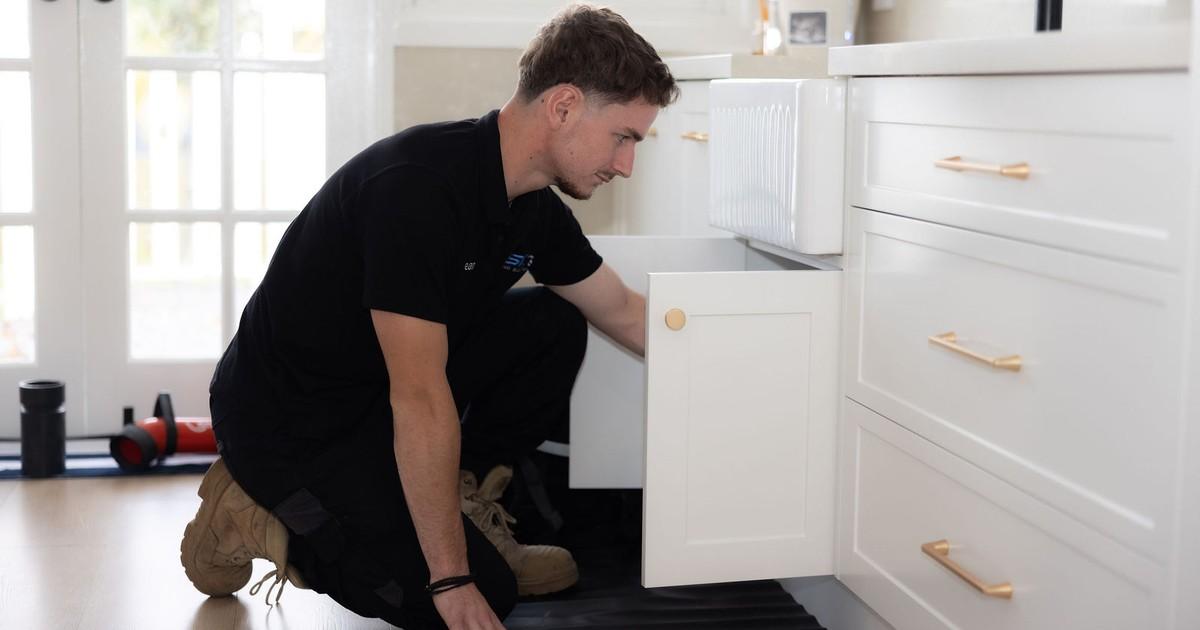
Under-Sink Cabinet & P-Trap Visual Check
Open up the cabinet under your sink and take a close look at the exposed P-trap. Look for any cracks, damp joints or even standing water under the pipes. Be on the lookout for active drips or any sediment buildup in the clear plastic parts.
Acoustic & Venting Check
As the water is draining, pay close attention to any gurgling, glugging or bubbling of air from the drain. Such sounds are a sign of air pockets becoming trapped or of inadequate stack venting, and these conditions can lead to drainage problems throughout your house's plumbing system, not merely at the kitchen sink.
Pipe Material Check
Before you try any do-it-yourself remedy, take a look at the piping under your sink and work out what it is made of. Since rigid PVC, thin plastic flex hoses, and older metal pipes all have different tolerances, it is important to know the material of your pipes if you are going to apply water pressure, mechanical force or heat to clear a blockage.
WARNING: Why You Should Avoid Chemical Drain Cleaners
Although store-bought caustic cleaners are commonly promoted as a quick solution, they do involve serious risks. The harsh chemical drain cleaners produce a lot of heat during the reaction, which can warp PVC pipes, wear away the adhesive at pipe joints and cause corrosion in older metal piping. Therefore, it is best to avoid them completely.
When DIY Methods Fail: Direct Signs You Need a Plumber
Knowing when to stop and call a professional saves you from making the problem worse. For a blocked sink Sydney homeowners can't clear with basic DIY methods, the following signs confirm it's time to contact a licensed plumber.
Zero Movement
It looks like water is still sitting in the sink even after trying to plunge it and clean out the P-trap.
Multiple Drains Affected
Laundry tubs, bathroom basins or showers are also draining slowly at the same time, a strong indicator of a main line blockage requiring urgent professional attention.
Recurring Issues
Your kitchen sink drains slowly again within days of being cleared. This pattern typically signals a deeper structural or buildup issue that surface-level fixes simply won't resolve.
Leaks Under the Sink
P-trap joints show signs of leaking onto cabinetry surfaces during drainage attempts. Attempting further DIY clearing in this condition risks worsening the leak.
Professional Drain Clearing Solutions by GSK Plumbing Solutions
When DIY checks aren't enough, you need a reliable blocked drain plumber that Sydney residents can count on. From a blocked sink Sydney homeowners deal with every day to complex pipe-relining jobs across the city, GSK Plumbing Solutions has the right solution. Our licensed team uses current diagnostic and clearing technology to locate and resolve blockages without guesswork, whether it's a slow-draining kitchen sink or a complete main line failure.

| Method | How It Works | Best Used For |
|---|---|---|
| CCTV Drain Camera Inspection | A micro-camera is inserted into the pipework to locate the exact depth, nature, and severity of the obstruction. | Deep blockages, recurring slow drains and structural pipe checks. |
| High-Pressure Hydro Jetting | A specialised high-PSI water blast completely strips grease, fat buildup and internal pipe wall deposits. | Solidified grease, heavy sludge and mineral scale removal. |
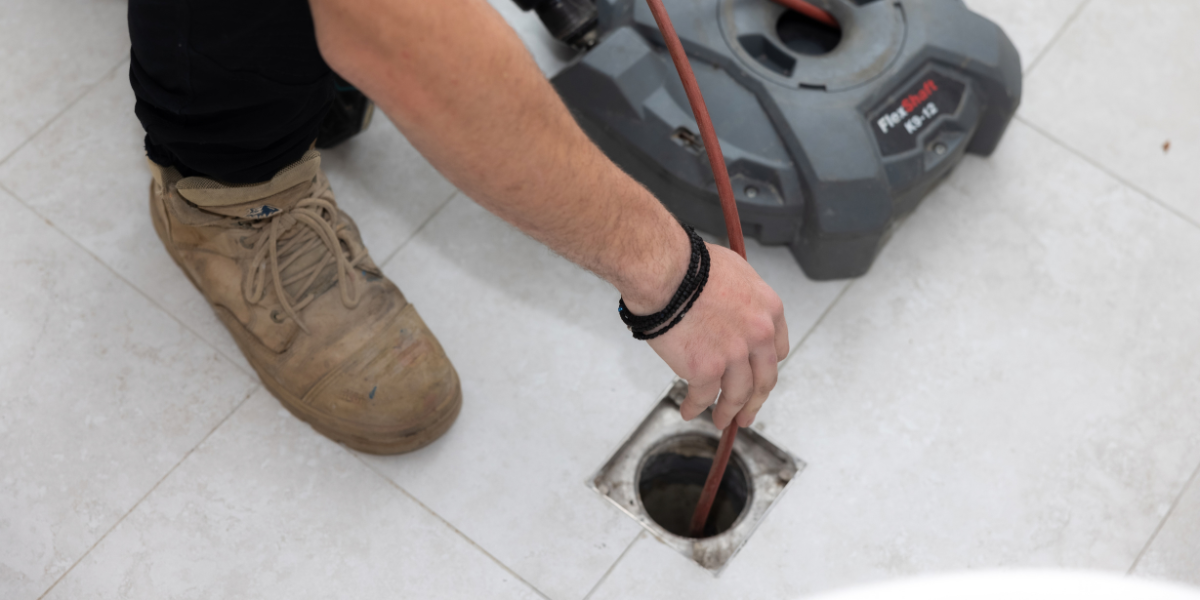
| Mechanical Drain Snakes / Electric Eels | A rotating flexible steel cable breaks up obstructions from solid or foreign objects deep within the pipe. | Hard localised clogs deep within branch lines. |
| Pipe Repair & Pipe Relining | No-dig pipe rehabilitation fixes cracked or collapsed pipes causing water catchment and recurring blockages. | Structural pipe failure or root intrusion. |
Since each method is tailored to the specific blockage found during the inspection, Sydney homeowners get a targeted solution rather than a one-size-fits-all approach.
Conclusion
A slow-draining kitchen sink is a manageable problem when addressed promptly and correctly. Understanding the common causes, from FOG buildup and food residue to P-trap obstructions and venting issues, helps you make smarter decisions about when to investigate yourself and when to call in a professional.
Also, the safety checks outlined above give Sydney homeowners a structured starting point for how to unblock kitchen sink drainage safely, and the clear warning signs tell you exactly when DIY methods have reached their limit.
If your kitchen sink is draining slowly, whether it's just a little grease buildup or something more serious in the pipes, our skilled team is here to assist you. As a trusted blocked drain plumber Sydney homeowners rely on, we offer 24/7 emergency response, modern diagnostic tools, clear upfront quotes and clean, reliable service across Sydney and its surrounding suburbs.
Contact us today before a small drainage problem becomes a big headache.

Kitchen sink draining slowly or completely blocked?
Get 24/7 expert diagnostic drain clearing and plumbing solutions across Sydney.