That bubbling or gurgling sound coming from a sink, shower, or toilet can be easy to brush off. Yet gurgling drains, a gurgling toilet, or gurgling pipes in the house drainage can be an early sign that water and air are no longer moving freely through the plumbing system.
Your drains rely on balanced air pressure to move wastewater properly. When a pipe is partly blocked, or a vent cannot draw in enough air, pressure changes can pull air through the water sitting in traps. That movement creates the gurgling noise you hear. A gurgling shower drain or gurgling sink drain may point to a local blockage, while several noisy fixtures can suggest a larger drainage problem.
Leaving the issue alone gives grease, waste, tree roots or pipe damage time to get worse. What starts as a strange sound can eventually lead to slow drainage, overflowing fixtures or sewage backing up. Early blocked drain clearing can help stop the problem from reaching that stage.
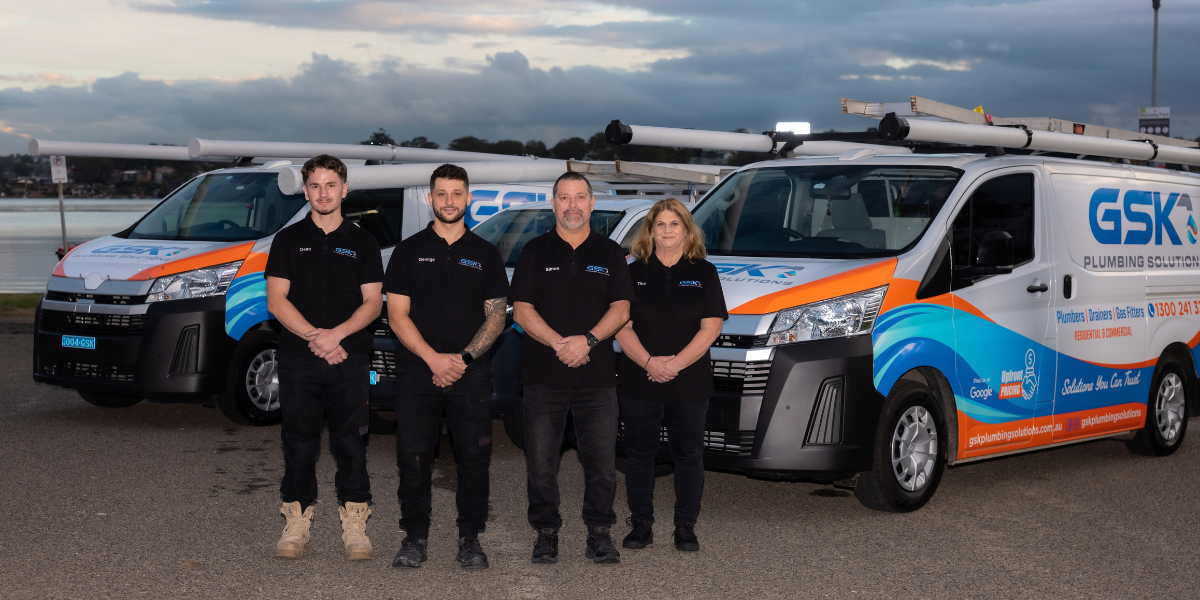
For Sydney homes and businesses, GSK Plumbing Solutions provides licensed plumbing support, including 24/7 assistance when drainage problems become urgent.
Top 5 Reasons Your Drains and Toilets Are Gurgling
There are several reasons why drains start making unusual noises. The location of the sound, the fixtures involved and what was running at the time can all point towards the source. Looking at these details can also help you explain the problem clearly when speaking with blocked toilet plumbers.
Partial Blockage in the Waste Line
Soap residue, hair, grease, food scraps and wet wipes can slowly collect inside a waste line. Water may still move past the obstruction, but the reduced space forces trapped air back through nearby fixtures, creating gurgling drains.
A gurgling sink drain after washing dishes can be linked to grease or food buildup, while a gurgling shower drain is often associated with hair, soap and other bathroom debris. The noise may appear before the drain becomes noticeably slow. Professional blocked drain services can help determine whether the blockage is close to the fixture or farther along the drain line.
Blocked or Obstructed Roof Vent Pipe (Vent Stack)
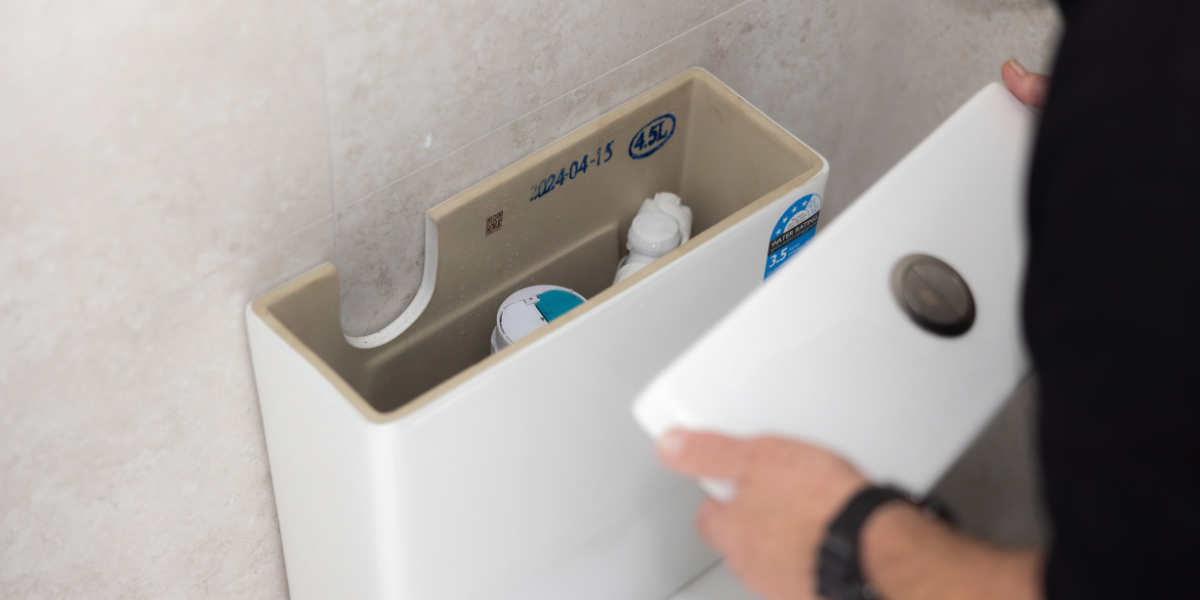
As wastewater moves away, plumbing vents let air into the drainage system. Without that airflow, negative pressure can develop inside the pipes. Leaves, debris or nesting material can sometimes obstruct a roof vent. When that happens, air may be pulled through the water inside a toilet trap instead, causing a gurgling toilet.
You may also notice gurgling pipes in house areas even though none of the drains is overflowing. Because roof vents are located above the property, inspection is best left to a licensed plumber with the right access and safety equipment.
Main Sewer Line Blockage (System-Wide Issue)
A main sewer line carries wastewater from different fixtures towards the sewer connection. If that pipe becomes restricted, wastewater and air have fewer places to move. One common clue is a gurgling toilet when someone runs the shower or empties the washing machine. You may also notice several drains slowing down at roughly the same time.
When several fixtures are affected, blocked toilet plumbers may need to look past the toilet itself and inspect the shared drainage line. The blocked toilet plumbing service can help when bubbling, poor flushing, and repeated blockages keep returning.
Tree Root Intrusion in Underground Pipes
Tree roots naturally grow towards sources of moisture. In older clay or terracotta pipes, small cracks and ageing joints can give fine roots a way inside.
Once roots enter the pipe, they can spread and catch toilet paper, grease and other waste. Over time, that restriction can lead to slow drainage, recurring gurgling drains and gurgling pipes in house plumbing.
If root intrusion is confirmed, high-pressure water jetting Sydney services may be used to cut through the blockage and clear the pipe. The plumber can then check whether cracks or damaged joints have allowed the roots to enter.
Damaged or Deteriorated Pipe Infrastructure
Sometimes the problem is the pipe itself rather than something trapped inside it. Cracked pipes, displaced joints, collapsed sections and sagging drain lines can all interfere with normal wastewater flow.
A sagging section can hold standing water and collect debris, while damaged joints can create rough areas where waste catches. These faults may cause a recurring gurgling shower drain, slow drainage or unpleasant smells that return after basic clearing. When structural damage is suspected, repeated plunging or chemical cleaners are unlikely to provide a lasting result. The pipe needs to be inspected so the cause can be identified properly.
Diagnostic Checklist: How to Locate the Source of the Gurgle
The way the noise behaves can offer useful clues about where the problem sits. Pay attention to which fixture makes the sound, whether other drains react at the same time and whether you notice slow drainage or smells. These details do not replace a plumbing inspection, but they can help narrow down the likely source.
Single Fixture Gurgle
If only one sink or shower makes noise, the problem is often close to that fixture. A gurgling sink drain may have grease or debris in the trap or branch line, while a gurgling shower drain may have hair and soap collecting inside the drain.
Check whether the water is also taking longer to disappear. If it is, there is a stronger chance that a partial blockage is forming. Avoid relying on repeated doses of harsh chemical cleaner. If the noise keeps returning, a plumber can inspect the line and locate the restriction.
Cross-Fixture Gurgle (e.g., Toilet bubbles when flushing or running shower)
When one fixture causes another to bubble, the problem may sit in a shared drain rather than a single trap. A gurgling toilet that reacts when the shower drains is a common example.
Pay close attention if the toilet water rises, the shower drains slowly, or several fixtures start making noise together. Those signs can point towards a shared branch or main sewer restriction. At this stage, blocked toilet plumbers can inspect the drainage path. If wastewater starts backing up, emergency plumbing assistance may be needed.
Gurgling During Heavy Rain
Drainage noises that appear during periods of heavy rain can sometimes be linked to damaged underground pipework, excess water entering the system, or groundwater affecting cracked drains.
You may hear gurgling pipes in house plumbing during wet weather even if the same drains seem normal on dry days. Slow drainage may appear at the same time. Because rain-related symptoms can have several causes, a proper inspection is the safest way to work out whether the issue involves damaged pipes, drainage faults or another source.
Unpleasant Odours
Gurgling combined with sewer smells deserves attention. Changes in pressure inside the drain can disturb or siphon the water sitting inside a trap. A gurgling sink drain may lose part of its water seal, allowing unpleasant gases to travel back through the fixture. The same thing can happen around showers, floor wastes and toilets. If smells continue after water has been run through rarely used fixtures, general plumbing services can check the traps, vents and drainage lines for faults.
Prevention Tips: Keeping Your Drains Quiet and Clear
Good everyday habits can reduce the amount of material entering your drains. They will not prevent every pipe fault, but they can lower the risk of avoidable blockages and help your plumbing keep flowing properly. A few small changes around the home can make a noticeable difference.
Flush Only the 3 Ps
Toilets are designed for pee, poop and toilet paper. Wet wipes, paper towels, sanitary products and similar items can become caught in bends or combine with existing waste. If a gurgling toilet starts after repeated flushing problems, avoid continuing to flush large amounts of water through the bowl. If the water level rises or drainage remains slow, contact blocked toilet plumbers before the toilet overflows.
Use Sink Strainers
A simple sink strainer can catch food scraps, hair and other debris before they disappear into the drain. In kitchens, strainers help reduce the material that can contribute to a gurgling sink drain. In bathrooms, they can limit the hair that often contributes to a gurgling shower drain. Empty the collected debris into the bin rather than rinsing it back through the pipe.
Never Pour Oil Down the Drain
Cooking fats and oils can cool and stick to the inside of drainage pipes. Food particles can then cling to the greasy surface, gradually narrowing the space available for water. This buildup can lead to slow flow and gurgling drains long before the sink becomes fully blocked. Let cooking fat cool, place it in a suitable container and dispose of it with household rubbish where appropriate.
Schedule Annual Plumbing Maintenance
Regular plumbing checks can pick up slow drains, recurring toilet problems and developing restrictions before they turn into urgent repairs. If you often hear gurgling pipes in house drainage, mention which fixtures are affected and when the noise happens. These details can help the plumber decide where to start. Depending on the symptoms, blocked toilet plumbers may inspect the toilet line, while broader plumbing maintenance and repairs can address related drainage and pipework concerns.
How Professional Plumbers Diagnose and Clear Gurgling Drains
When gurgling keeps returning, the next step is finding out what is happening inside the drainage system. A plumber can use specialist equipment to locate the restriction and choose a suitable way to clear or repair it. This helps avoid treating recurring gurgling drains with temporary fixes that leave the underlying cause untouched.
CCTV Drain Camera Inspection
A CCTV drain camera gives the plumber a view inside the drainage line. It can reveal grease buildup, tree roots, damaged joints, cracks and other faults without digging up the entire pipe. This method is useful when a gurgling shower drain keeps coming back, or several fixtures show similar symptoms. We include CCTV inspection as part of our blocked drain services. The footage can help show where the problem sits and what type of clearing or repair may be suitable.
High-Pressure Water Jetting
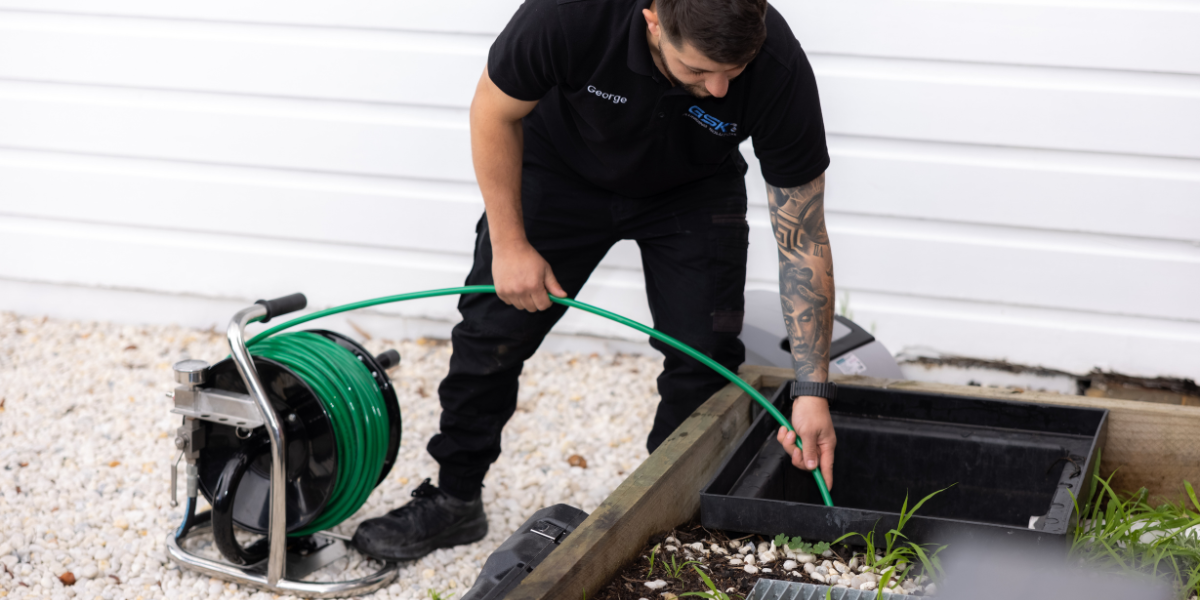
Water jetting uses a specialised hose and nozzle to send high-pressure water through the drain. The force can break apart grease, sludge, scale and some root growth that has built up inside the pipe.
Professional high-pressure water jetting Sydney work can be useful where stubborn material is restricting the drain. It may be considered when a gurgling sink drain keeps returning because of heavy buildup or when roots are affecting a sewer line. The pipe should be assessed first, as high-pressure water jetting in Sydney needs to suit the condition and type of drainage line.
No-Dig Pipe Relining
If an inspection shows cracks or damaged pipe sections, relining may be an option in suitable situations. A liner is placed inside the existing pipe, creating a new inner surface without excavating the full length of the drain.
This can help seal defects that allow tree roots to enter. In some cases, high-pressure water jetting in Sydney may be used first to clear roots and debris before the pipe condition is reviewed. Relining is not suitable for every damaged drain, so the plumber needs to check the location, severity and type of fault first.
Conclusion
A gurgling sound does not tell you exactly what has gone wrong, but it does tell you that air and wastewater may not be moving normally through the system. Acting early can help prevent a smaller restriction from turning into an overflow or sewage backup. If the same problem keeps happening with a gurgling shower drain, toilet, or pipes in the house drainage, an expert check can give you a better answer than trying numerous home remedies.
A persistent gurgling sink drain or recurring gurgling drains should not be treated as harmless background noise. The cause may be as simple as a partial blockage, or it could involve tree roots, damaged pipes or a main sewer restriction. Where a serious obstruction is found, high-pressure water jetting in Sydney may be considered as a clearing method. Damaged pipework may require repair or relining instead.
Contact us today to discuss what is happening at your property. The team can assess recurring drain noises, investigate the cause and advise whether blocked toilet plumbers, drain inspection equipment or clearing work is needed.

Gurgling drains or toilet causing concern?
Get 24/7 expert diagnostic drain inspection and plumbing solutions across Sydney.