An overflowing toilet can become a stressful plumbing emergency, especially when wastewater starts spreading across your bathroom floor. Whether you're dealing with a blocked toilet or a sewer line backup, knowing what to do first can help limit water damage and reduce health risks.
If you're wondering how to stop a toilet from overflowing, the first step is to avoid flushing again and turn off the water supply.
Next, check whether the water is coming from the cistern or backing up through the drain. Avoid contact with wastewater, and don't attempt to plunge if the water is still rising or if other drains are backing up.
In this blog, we explain five practical steps you can take before professional help arrives, common causes of overflowing toilets in Sydney homes and when to call a licensed emergency plumber.
Why Toilets Overflow in Sydney Homes: Common Root Causes
Understanding why your toilet is overflowing helps you make smarter decisions in the moment and helps avoid repeat incidents. In Sydney, several causes are especially prevalent.
Tree Root Intrusion in Sydney Sewer Pipes
Tree root invasion is a concern for older suburbs of the city such as the Inner West, St George, Eastern Suburbs and North Shore. Roots can enter these openings in search of moisture and gradually obstruct wastewater flow. Once inside, roots expand over time, restricting flow and eventually causing complete blockages that result in a toilet overflowing without warning.
Flushing Non-Flushable Items
Wet wipes are among the most common culprits behind blocked toilet calls across Sydney. Even products labelled "flushable" do not break down the way toilet paper does. Paper towels, hygiene items and excessive toilet paper all contribute to severe trap blockages that restrict or completely stop wastewater flow. When these materials accumulate in the trap, or S-bend, an overflowing toilet is almost inevitable.
Sewer Line Collapse & Stormwater Infiltration
Sydney's intense rain events can overwhelm residential and commercial drainage systems. When stormwater infiltrates ageing sewer lines, or when a section of sewer pipe collapses due to soil movement, the result is a main line backup that pushes sewage up through your lowest fixture, typically the toilet.
Five Steps To Do Before the Plumber Arrives
Acting quickly and correctly in the first few minutes of a toilet overflow can significantly reduce damage to your home. Follow these steps in order.
1Step 1: Stop the Water Supply Immediately
Your first priority when figuring out how to stop the toilet from overflowing is to cut off the water source feeding the cistern.
➥ How to Locate & Turn Off the Toilet Isolation Valve
The toilet isolation valve is found on the flexible braided hose running from the wall or floor to the cistern base, usually with a small oval or flat-head handle. Turn it clockwise until fully closed.
➥ What to Do If the Valve Is Stuck or Hard to Turn
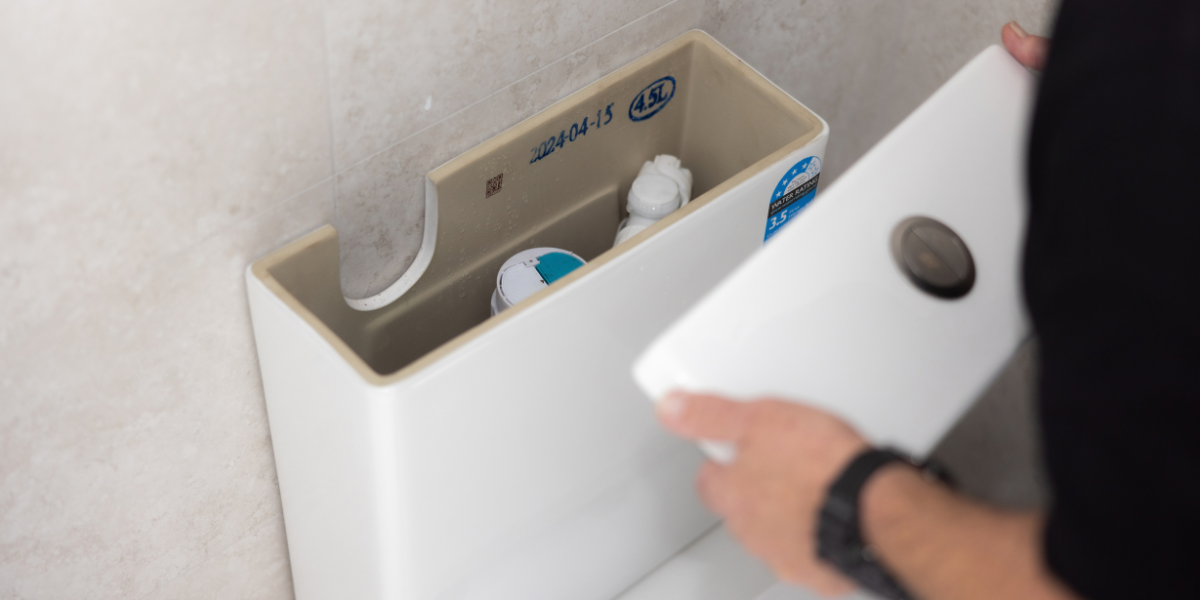
If the isolation valve has not been used in years, it may be corroded or stuck. Do not force it; snapping the fitting makes the situation considerably worse. Instead, carefully lift the ceramic cistern lid and set it safely aside. You have two manual options:
- Push the rubber flapper valve at the bottom of the tank to seal the opening and stop water from going into the bowl.
- Lift the float valve arm to simulate a full-tank signal and prevent the inlet valve from continuing to fill.
Either action buys you critical time until the isolation valve can be freed or a plumber arrives.
➥ Shutting Off the Main Water Meter (Severe Overflow)
If the isolation valve is completely non-functional, head to your main water meter, usually located near the front boundary, in a garden bed or beside the driveway in most Sydney properties.
A clockwise turn of the main tap stops the supply to the entire property. While this procedure temporarily affects all fixtures, it is the safest option when facing a rapidly escalating overflow.
2Step 2: Prevent Further Damage & Contain the Wastewater
With the water supply stopped, your next focus is on limiting the spread of contaminated water.
Never Flush a Second Time
This is the single most common mistake homeowners make during an overflowing toilet emergency. Flushing again when a toilet is already blocked does not clear the obstruction; it just forces additional sewage water onto your bathroom floor. Once water begins rising, do not flush under any circumstances.
➥ Clear and Protect the Bathroom Area
If water is spreading across the floor, keep children and pets away from the affected area. Avoid direct contact with wastewater, particularly if sewage may be present. Wear waterproof gloves and protective footwear if you must enter the area.
Where it is safe to do so, move uncontaminated belongings away from the water. Avoid using household towels or fabrics to absorb sewage, as these materials can become contaminated. If wastewater is reaching electrical outlets or appliances, stay clear of the affected area and seek professional assistance.
➥ Hygiene & Health Safety Measures
Pathogens and bacteria can be present in water from toilet overflows, which can pose a serious health hazard. Wear heavy-duty rubber gloves before touching anything.
Don't let children or pets be in the bathroom until it has been professionally cleaned or disinfected. Open windows and exhaust fans as soon as possible to ventilate and decrease airborne contaminants.
3Step 3: Safe Attempt at Unblocking (When & How to Plunge)
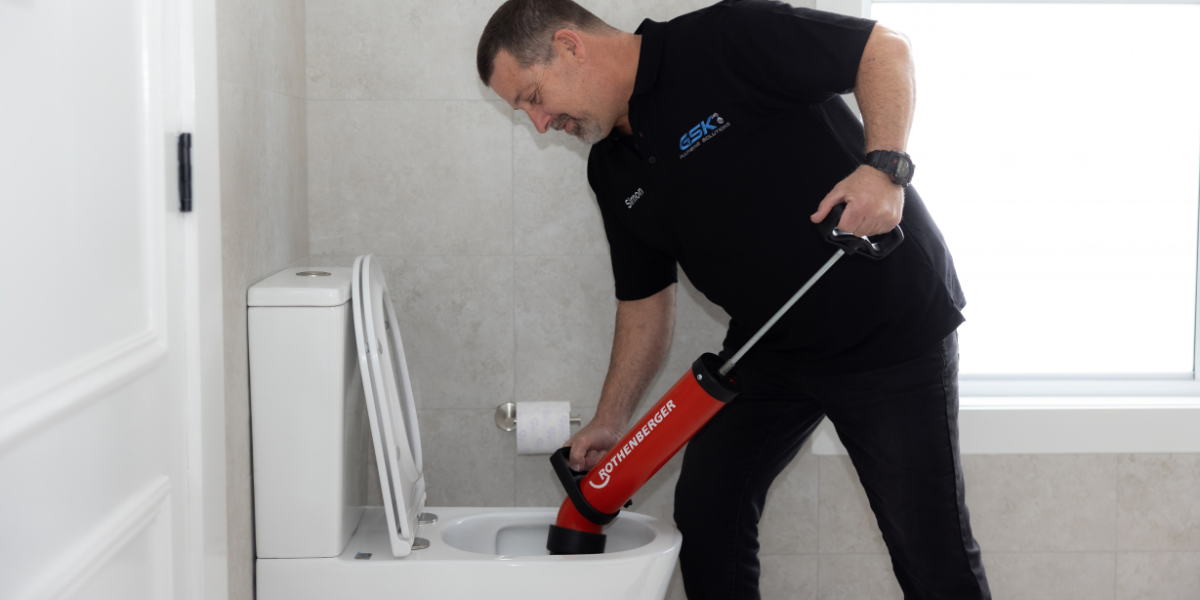
If a blockage is localised, not a main line backup, that causes the overflow, careful plunging may help to solve it. Attempt this procedure only if the water level is stable and no longer rising.
➥ Use the Right Tool (Flange Plunger vs. Cup Plunger)
A flat cup plunger, the type most households own, is designed for flat-bottomed drains like sinks and bathtubs. It does not form an effective seal over a toilet's curved drain opening. For a blocked toilet, you need a flange plunger: one with a soft rubber extension that fits inside the drain hole and creates a proper seal. Using the wrong tool wastes critical time and effort when an overflowing toilet needs fast attention.
➥ Correct Technique for Controlled Plunging
- Ensure the plunger head is fully submerged in water. If needed, add water from a bucket; do not flush so the rubber is covered.
- Place the flange firmly into the drain hole and press down gently to form a seal.
- Push down slowly, then pull back with firm, controlled force. Repeat four to five times in steady strokes.
- Do not plunge too quickly or too forcefully, as contaminated water may be splashed onto surfaces and onto you.
Knowing When to Stop
If the water level does not drop after three attempts, stop plunging. A forceful attempt will not open a deep or compacted blockage and may push it further into the line. When the water level starts to rise, splashes too much or doesn't move at all, stop and contact an emergency plumber in Sydney immediately.
4Step 4: Critical "What NOT to Do" in a Toilet Emergency
Avoid Chemical Drain Cleaners
Reaching for a chemical cleaner is a natural impulse, but a damaging one. These products contain concentrated acids or caustic compounds that, when poured into a blocked, stagnant bowl, cannot drain away. They sit in the porcelain, degrading the ceramic surface and pipe joints over time. More critically, they create a serious burn hazard for blocked toilet plumbers who subsequently need to work in the bowl manually. Never use chemical drain cleaners on a toilet.
Do Not Force Wire Coat Hangers or Cheap Augers
A coat hanger or low-quality drain snake can scratch or crack toilet porcelain and push blockages further into S-bends or deeper into the sewer line. What begins as a straightforward blocked toilet can become a fractured fixture or a lodged obstruction that requires far more invasive and expensive repair work.
Do Not Ignore Gurgling Sinks or Shower Backups
Pay close attention to the rest of your home. If the bathroom sink gurgles when the toilet is flushed or water backs up in the shower drain, these are clear signs that the issue is not confined to the toilet trap alone; the blockage is in the main sewer line.
A licensed plumber can assess the pipework and determine whether a CCTV drain inspection, high-pressure water jetting or another method is required to resolve the issue. No amount of plunging will address a main line backup, and continuing to try will only delay the proper solution.
5Step 5: Call a Licensed 24/7 Emergency Plumber in Sydney
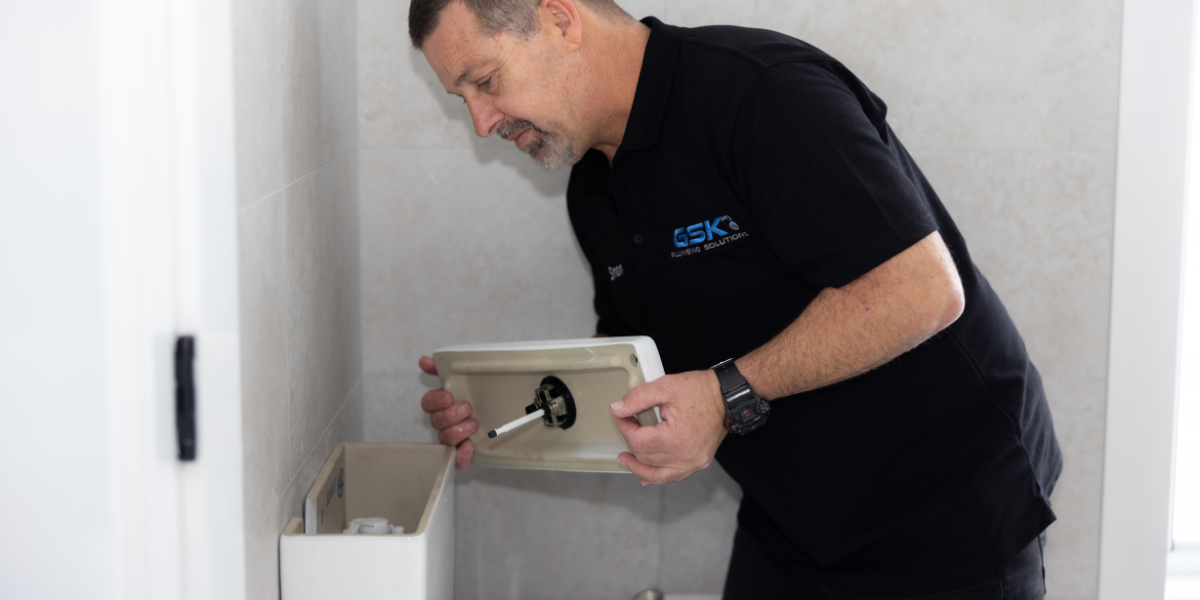
Once you have taken the immediate steps above, do not delay calling a licensed professional. A main line blockage, tree root intrusion or collapsed sewer line will not resolve on its own, and water damage compounds rapidly with every passing minute.
Experienced blocked-toilet plumbers arrive equipped with diagnostic tools and clearing equipment to quickly and safely get your home back to normal, without guesswork or unnecessary disruption.
➥ Professional Diagnostic & Clearing Equipment
GSK Plumbing Solutions uses CCTV drain cameras to inspect blocked or collapsed sewer lines with precision, identifying the exact location and nature of the problem without unnecessary excavation. For severe tree root intrusions and heavily compacted blockages, high-pressure hydro jetter drain cleaning clears the line thoroughly, safely, and with lasting results. This professional approach is far more effective and significantly less damaging than any DIY method available to homeowners.
➥Why Sydney Homeowners & Businesses Trust GSK Plumbing Solutions
1. 24/7 Availability
Plumbing emergencies do not keep business hours. As trusted emergency plumbers for Sydney homeowners and businesses, we have qualified plumbers available seven days a week across Sydney and the surrounding areas. When an overflowing toilet strikes at midnight or on a public holiday, help is always available.
2. NSW Contractor Licence
We hold an NSW Contractor Licence 346665C, so you can be sure every job meets the standards required by NSW Fair Trading. Fully qualified and insured homeowners and businesses can engage with complete confidence.
3. Upfront Transparent Pricing
No hidden charges or surprise charges after the job is done. We provide clear, upfront pricing before work begins so you know exactly what to expect from the outset.
4. Fast Local Response
Fully stocked mobile service vans carry the equipment needed to diagnose and resolve most plumbing emergencies on the first visit, including CCTV cameras and hydro jetter drain cleaning gear, minimising time, mess, and disruption to your property.
Conclusion
An overflowing toilet requires your calm and immediate attention. Stop the toilet from overflowing by shutting off the water supply, containing the wastewater, protecting your home and considering plunging if and when it's safe to do so.
Know what to avoid: no second flushes, no improvised tools, don't use chemical cleaners, and call a licensed emergency plumber Sydney as soon as the situation goes beyond a simple blockage.
Contact our expert emergency plumbers today for 24/7 fast, reliable service across Sydney!

Toilet overflowing in Sydney causing panic?
Get 24/7 fast emergency plumbing service to stop the overflow and clear the blockage.