A foul smell coming from your bathroom is more than unpleasant; it can signal an underlying plumbing issue that worsens the longer you ignore it. For Sydney homeowners, a sewer smell in bathroom spaces is one of the most commonly reported plumbing concerns. Yet, it's frequently dismissed as a minor inconvenience until it becomes a serious problem.
If your bathroom smells like sewage, there's a specific reason, and in most cases, it's identifiable and fixable. This blog walks through the most common causes of sewer gas in bathroom environments, how to determine if the issue is the source, and when the situation is truly in need of a safe solution by a licensed plumber.
Is Sewer Gas in Your Bathroom Dangerous?
Before troubleshooting the smell, it helps to understand what you're dealing with.
➢ Understanding Sewer Gas
Sewer gas is not a single substance but a mix of gases that are formed as organic waste breaks down in your drainage system. The rotten egg smell is mainly caused by hydrogen sulphide. The unpleasant odour that most people are familiar with, often described as a rotten egg smell, is due to hydrogen sulphide, even at very low concentrations.
A sewer smell in bathroom environments is almost always linked to one or more of these gases escaping through a compromised seal, dry trap, or faulty vent, all of which are addressable once identified.
➢ Health Impact
Risk is related to concentration and length of exposure:
- Low-level exposures, such as a smell from the bathroom occasionally, usually result in headaches, nausea, dizziness and irritation of the eyes and throat. These effects are unpleasant but generally short-lived and will pass away as the source is addressed.
- High-level exposure from a significant sewer gas leak in an enclosed space poses genuine respiratory risks. High-level exposure from a significant sewer gas leak in an enclosed space poses genuine respiratory risks. Methane is also a flammability risk, and this is an additional risk in poorly ventilated areas.
➢ Bottom Line
An occasional smell from an infrequently used drain is usually easy to fix. But if sewer gas in bathroom areas recurs or appears throughout multiple rooms, it is a safety concern that should be treated urgently, not masked with air freshener.
Top 5 Common Causes of Sewer Smell in the Bathroom
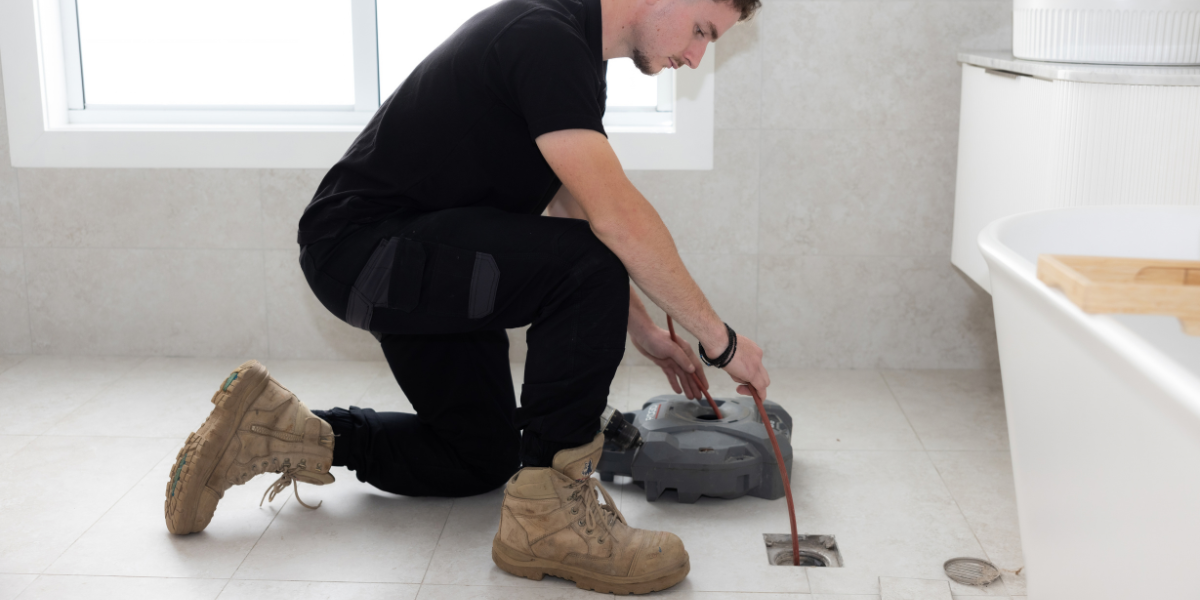
Most bathroom sewer smells in Sydney homes trace back to one of five root causes. Here's what each one looks like and why it happens.
Dry P-Trap
- How it works : The P-trap is the U-shaped section of pipe located beneath sinks, showers, and floor wastes. Its design is intentional: that curve holds a small pool of water at all times, creating a physical seal that blocks sewer gases from travelling back up through the drain and into your bathroom.
- Why it happens : In guest bathrooms, ensuites, or laundry floor drains that aren't used regularly, the water in the P-trap gradually evaporates. Once the water seal is gone, there's nothing stopping sewer gas from rising freely into the room.
- Symptom : A strong, foul smell coming directly from an unused drain grate, especially noticeable when you first enter the room. In most cases, it is just a simple dry P-trap fix: pour 1-2 litres of water slowly down the drain that is leaking; this will re-establish the water seal, then top with a little cooking oil to prevent future evaporation. If this remedy doesn't seem to be working and the odour persists for 24-48 hours, then venting problems are probably responsible.
Biofilm & Organic Waste Buildup
- How it works : Over time, biofilm, a layer composed of soap scum, hair, toothpaste residue, and body oils, accumulates along the interior walls of your drainpipes.
- Why it happens : Bacteria thrive on this organic buildup. As they break down the material, they release hydrogen sulphide gas, which produces the characteristic rotten-egg odour. This is extremely common in bathroom basins and shower drains across Sydney homes, particularly in properties with older or narrower original pipework.
- Symptom : The sewer smell in bathroom drains affected by biofilm is usually strongest when hot water runs down the shower or basin, as heat causes gases trapped in the biofilm layer to release more quickly.
Broken Toilet Seal or Leaking Pan Connector
- How it works : The toilet pan seal or rubber pan connector forms an airtight seal between the base of your toilet and the sewer pipe directly beneath it. This seal serves a dual purpose: it prevents wastewater leaks and stops sewer gas from escaping at the toilet base.
- Why it happens : Age, improper installation during a previous renovation, or a toilet that has shifted and begun to wobble can all break this seal. A blocked toilet that is repeatedly force-flushed or plunged aggressively can also shift the pan connector over time, weakening the seal without the homeowner realising it. Once compromised, sewer gas leaks directly into the bathroom at floor level.
- Symptom : A persistent sewer smell in bathroom areas concentrated around the base of the toilet. You may also notice the toilet wobbles slightly when sat on or that small amounts of water or moisture appear on the floor immediately around the pan.
Blocked or Damaged Plumbing Vent Pipe
- How it works : All plumbing systems have vent pipes, which are vertical pipes that go through the roof and open into the outside air. Their two important roles are to enable the safe escape of sewer gases outside the building and to balance the air pressure within the drain pipes so that the water can flow freely.
- Why it happens : In the suburban areas of Sydney, leaves, bits of debris and birds' nests often block the roof vent stacks, and a vent pipe may also crack or come apart within a wall or roof cavity, entirely spoiling its function.
- Symptom : Recognising blocked vent pipe symptoms early can prevent the problem from spreading to your entire drainage system. Key warning signs include multiple drains gurgling when a toilet is flushed, or another fixture is drained, slow drainage across several bathroom fixtures simultaneously, and sewer smells that appear unpredictably and don't correspond to a single drain. If your bathroom smells like sewage on some days but not others, a partially blocked vent pipe is a very likely culprit.
Damaged, Cracked, or Blocked Main Sewer Line
- How it works : The main sewer pipe of your property is responsible for carrying all wastewater away from the house and into the local drainage system; if this pipe is seriously blocked, cracked, or damaged as a result of tree roots invading it, then the whole drainage system is affected.
- Why it happens : These are mainly due to soil movement, ageing clay or terracotta pipes, and invasive tree roots. Original pipes, which are often decades old and may be more susceptible to damage, are still in place in many properties in Sydney, especially those built in established suburbs in the Inner West, Parramatta and Hills District.
- Symptom : Foul smells across multiple bathrooms or laundries at the same time, backed-up or slow drains in more than one location, a blocked toilet that doesn't respond to standard clearing, damp patches on floorboards and/or soft wet spots in the yard over top of underground drainage pipes.
Quick Troubleshooting: How to Locate the Source of the Smell
Before calling a plumber, use this diagnostic table to narrow down the likely cause of the sewer smell in the bathroom. This step-by-step check will help you identify whether a DIY fix is possible or whether professional help is needed:
| Symptom / Location | Likely Cause | Quick Diagnostic Check |
|---|---|---|
| Unused sink or floor drain | Dry P-Trap | Pour 1–2 litres of water down the drain as a dry P-trap fix; check if the smell dissipates within 10–15 minutes. |
| Base of the toilet bowl | Failed Toilet Pan Connector | Check if the toilet wobbles or if dampness/odour is strongest at the floor seal. |
| Shower drain grate | Biofilm / Hair Clog | Lift the drain grate and check for slime, hair buildup, or slow water flow. |
| Gurgling toilet or sink | Blocked Roof Vent Line | Listen for blocked vent pipe symptoms: air bubbles or gurgling sounds when other taps elsewhere run simultaneously. |
These checks are a good place to begin, but they have their drawbacks. If the odour does not go away after the steps outlined above, or if you are unable to locate where the odour is coming from, it is best to have it professionally evaluated.
When to Call a Licensed Plumber
Some sewer smells can be resolved with a simple DIY fix, such as a dry P-trap fix or clearing a hair clog. Others require professional diagnosis and repairs that go beyond what any homeowner should attempt without the right tools and training.
Call a licensed plumber in Sydney if any of the following apply:
The sewer smell in bathroom areas returns within 24–48 hours after you've topped up P-traps; this suggests the trap isn't holding water due to a venting issue.
The toilet wobbles or shows water leakage or moisture at the floor base.
You notice classic blocked vent pipe symptoms: gurgling sounds in sinks or toilets when water is drained elsewhere in the house.
After ordinary attempts, the toilet remains blocked, or the drainage backs up into the shower or the floor waste.
Several drains are either backing up or emptying slowly at the same time.
The smell is detectable inside wall cavities or roof spaces, not just at drain level.
These are not scenarios where a wait-and-see approach is appropriate. Persistent sewer smells should be investigated because they may indicate plumbing problems that can affect indoor comfort and safety, and ongoing moisture or wastewater leakage along sewer lines can damage your property over time.
How GSK Plumbing Solutions Resolves Sewer Odours
GSK Plumbing Solutions uses a systematic, diagnostic approach to identify and permanently resolve every instance of sewer smell in bathroom environments rather than guessing at the cause or applying temporary fixes.

➢ CCTV Drain Camera Inspections
CCTV drain camera inspections feed a high-definition video camera directly inside drainage pipes to locate hidden cracks, blockages, or root intrusions underground and within the wall cavities. This removes the guesswork entirely and means repairs are targeted rather than exploratory.
➢ High-Pressure Water Jetting
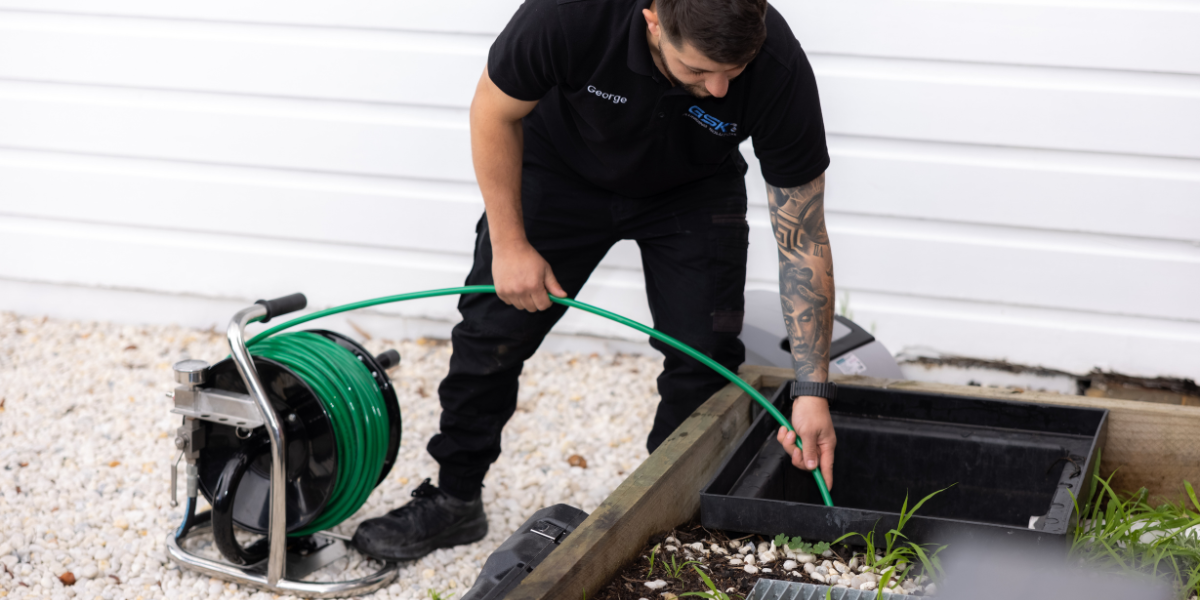
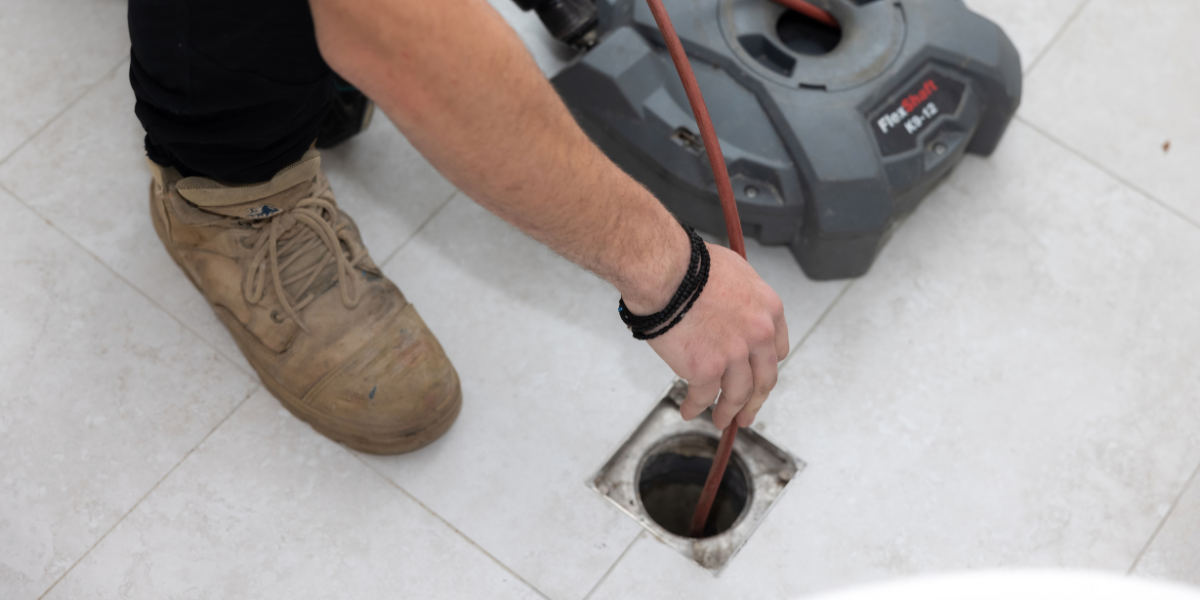
The high pressure water jetting will provide a strong water stream that will physically travel through the pipe and remove heavy grease deposits, tree roots and stubborn biofilm permanently. Unlike chemical drain cleaners that degrade over time, high-pressure water jetting produces a clean pipe interior that dramatically reduces recurrence.
➢Toilet Seal & Pan Connector Replacement
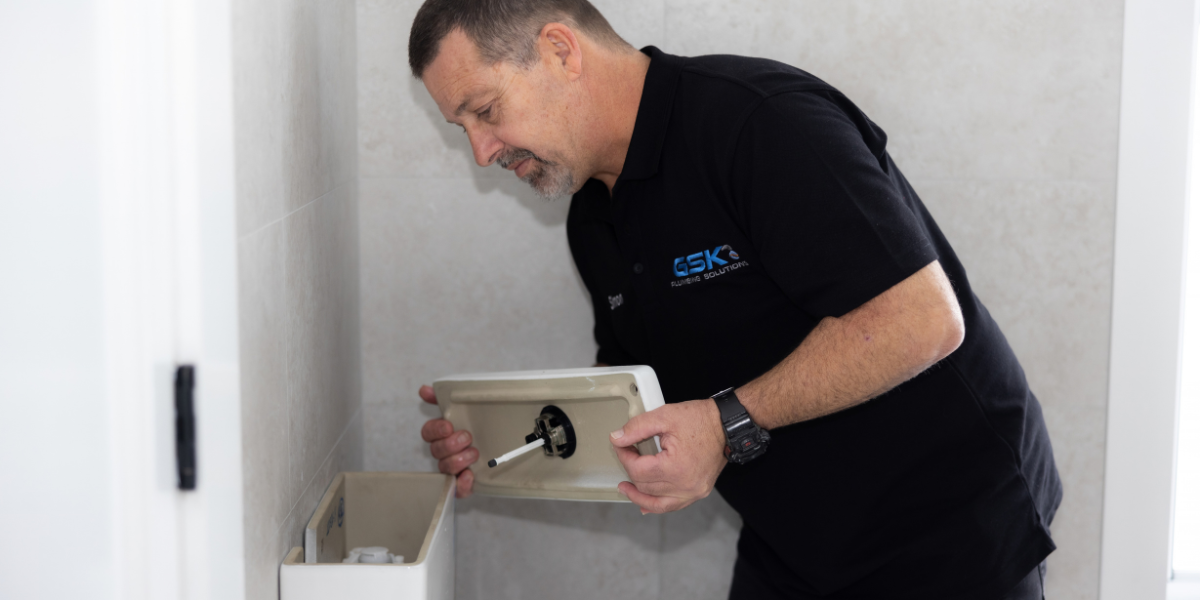
The toilet should be professionally removed, resealed and levelled in order to restore a gas-tight seal at the pan connector. If the problem is due to a blocked toilet, which has caused the pan to shift over time or because the wax ring has merely worn out and cracked, the toilet must be properly repositioned and the floor surface adequately prepared, not something that can be attempted as a DIY job.
➢Roof Vent Clearance & Repair
Safely clearing bird nests, leaf debris, and blockages from roof vent stacks restores pressure balance in your drainage system, resolving common blocked vent pipe symptoms like gurgling drains, slow drainage, and intermittent sewer odours.
➢ 24/7 Emergency Plumbing Across Sydney
Sewer backups and strong sewer odours don't wait for business hours. We provide 24/7 emergency plumbing across Sydney and surrounding areas, with licensed technicians available when the problem can't wait.
Conclusion
A sewer smell in your bathroom is always telling you something. Whether it's a dry P-trap that needs a quick top-up, a failing toilet pan connector, blocked vent pipe symptoms pointing to a compromised roof vent stack, or a deeper issue with your main sewer line, each cause has a solution, and identifying the right one early is what keeps a minor repair from becoming a major bill.
Sydney homeowners dealing with a bathroom that smells like sewage, whether occasionally or persistently, should not delay in getting a professional assessment. The longer the underlying issue goes unaddressed, the risk is more to both health and property.
From a basic problem with a dry P-trap fix to a clogged toilet or a last-minute sewer gas problem, we offer 24/7 emergency response, licensed technicians, and upfront, transparent pricing. Contact our team today to get rid of the sewer odour in the bathroom.

Sewer smell in your bathroom causing concern?
Get 24/7 expert diagnostic plumbing solutions for sewer odours across Sydney.