If you have ever asked, "why does my drain keep blocking?" the answer rarely lies at the drain opening. It typically lies underground, right in your underground sewer or stormwater pipes, and works against every surface fix you make, whether through tree root intrusion, grease build-up, damaged pipes or improper installation.
Drain blocking is one of the most frequently reported plumbing issues across Sydney homes and businesses. But for most property owners, the real frustration is not the blockage itself; it is the fact that it keeps coming back. That cycle of temporary relief followed by repeat failure is your drainage system signalling a deeper, unresolved issue.
Home remedies like chemical drain cleaners, hot water, and manual plunging can shift minor soft blockages. But these methods provide nothing more than a temporary band-aid. To genuinely stop the cycle, you need the right diagnostic equipment and a licensed blocked drain plumber Sydney homeowners can rely on someone who knows exactly where to look and what tools to use.
This blog covers the six most common structural and habitual causes of persistent drain blockages, plus the modern diagnostic tools that licensed Sydney plumbers use to locate and permanently resolve them.
The 6 Most Common Reasons Drains Keep Blocking
Tree Root Intrusion
Tree roots are responsible for a significant share of recurring drain blocking in Sydney's established suburbs, where large trees line footpaths and garden beds sit close to underground drainage lines.
Roots naturally follow moisture gradients. Even microscopic cracks or slightly loose pipe joints release enough warm, humid air to attract root growth. Once a root finds an entry point, it continues growing inside the pipe, expanding into dense web-like masses that act as a net trapping toilet paper, hair, food scraps, and other debris with every flush.
The blockage is not a one-time event. Unless the root mass is physically removed and the pipe damage repaired, the problem returns often within weeks.
This is one of the most common answers to the question "why does my drain keep blocking?" in older Sydney suburbs with established tree coverage. Chemical root killers may slow regrowth temporarily but do nothing to remove existing mass or seal the entry crack.
Fats, Oils, and Grease (FOG) Buildup
Rinsing cooking fats down a kitchen sink may seem harmless. Liquid grease is free-flowing when warm. The trouble starts downstream as grease cools, hardens and starts to adhere to the inside of the pipes.
This grease layer gradually accumulates over months and years as it narrows the interior of a pipe. The food particles, the soap residue and other solids start to adhere to the grease lining, which further restricts the flow. As a consequence, kitchen drains clog more often and more frequently even after regular use of cleaning products.
FOG is entirely preventable with proper disposal habits, but once it has accumulated inside underground pipework, high-pressure water jetting is required to clear it effectively.
Broken, Cracked, or Collapsed Pipes
Many of the houses in Sydney have original earthenware or terracotta drainage pipes that are still in use. These materials are hard-wearing when new but become very susceptible over decades. Ground movement, soil shifting, vehicle traffic above, and nearby construction activity all place stress on ageing underground pipes.
A clogged sewer line that is due to a cracked pipe or a partially collapsed pipe is very different from a typical soft blockage. Debris catches on broken pipe edges, wastewater flow is restricted by displaced sections, and the problem compounds with every use.
No chemical treatment or plunging will resolve a structural failure underground. The pipe must be assessed, located, and repaired.
Pipe Sags or "Bellies" in the Sewer Line
A pipe "belly" is a low point in the drainage line caused by soil settlement beneath the pipe. Instead of maintaining a consistent downward slope to carry waste towards the sewer main, the line dips at one or more points, creating a pooling zone.
Liquid may still pass through, but heavy solids pool in the low spot rather than continuing downstream. Over time, this leads to persistent, recurring drain blocking that is nearly impossible to diagnose without camera technology, because there is no physical obstruction to remove. The pipe geometry itself is the problem.
Pipe bellies are particularly common across Sydney's western and south-western suburbs, where reactive clay soils shift significantly with moisture changes.
"Flushable" Wipes & Sanitary Products
Despite what the packaging claims, wet wipes, paper towels, and sanitary products are not truly flushable. Unlike toilet paper, which is engineered to break down rapidly in water, these items retain their structural integrity long after being flushed.
These flow through the immediate pipes and seem to flush easily up until they reach a rougher pipe section, joint or where there is a reduction in flow. There they catch and build up into dense obstructions that increase with each flushing.
A blocked drain outside is also harder to access and more disruptive to clear than an indoor blockage. Avoiding non-dispersible products in toilets is the single most effective preventive measure for this type of fault.
Incorrect Pipe Slope or Faulty Installation
Drainage pipes must be laid at a precise gradient to ensure wastewater flows efficiently by gravity. When the pipe was installed with inadequate fall, either because it was a mistake during construction or because later renovations have interfered with it, waste flow does not have enough momentum to carry solids through the pipe.
Solids settle, accumulate, and eventually create a partial or complete blockage. This is a systemic issue: no matter how thoroughly the blockage is cleared, it will return as long as the gradient deficiency remains. This type of fault is particularly relevant in older Sydney properties that have undergone multiple plumbing modifications over the years.
How Professional Plumbers Find the Real Cause (Diagnostic Equipment)
Identifying the true cause of a recurring blockage requires direct visual access to the inside of the pipe. Modern plumbing diagnostics make this possible without unnecessary excavation.
High-Definition CCTV Drain Camera Inspections
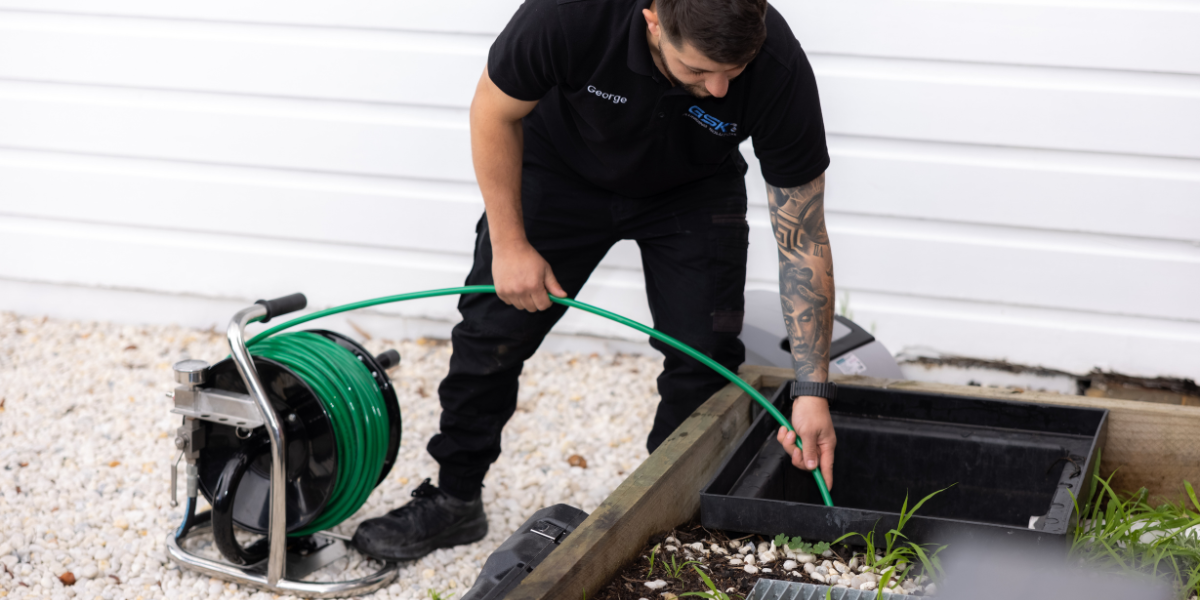
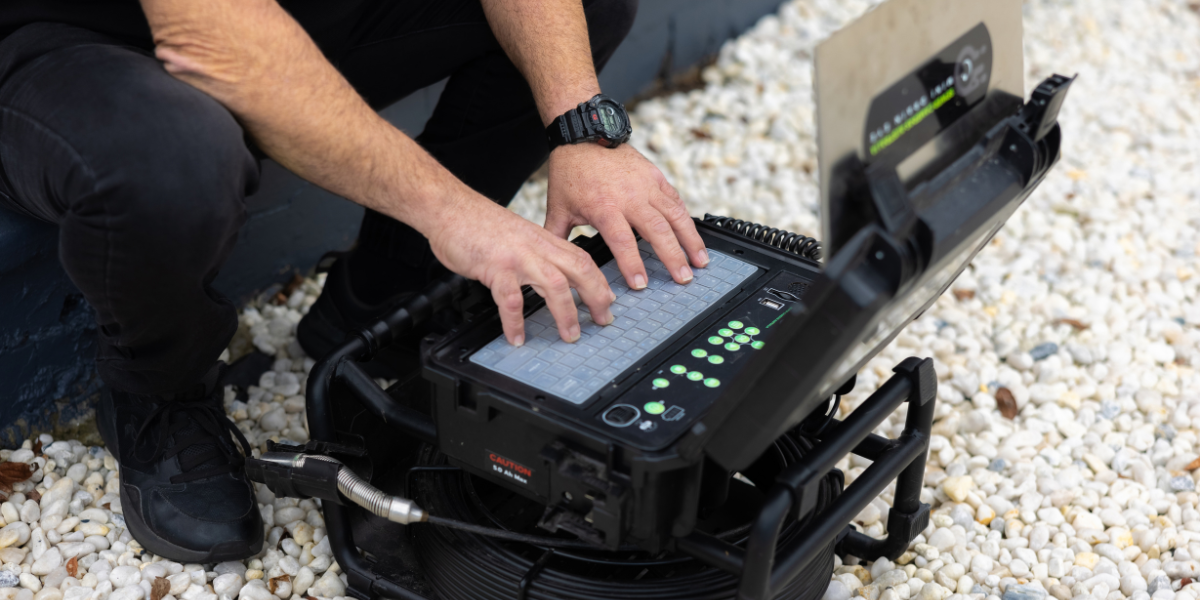
CCTV drain inspection Sydney services involve feeding a flexible, waterproof camera cable through existing access points directly into the drainage system. The camera transmits real-time high-definition video to a monitor at ground level, giving the plumber an unobstructed view of the pipe's interior condition.
This technology clearly identifies tree root intrusions, cracked or collapsed sections, joint separations, FOG accumulation, and pipe sag faults that are entirely invisible from above ground. Rather than guessing at a cause and applying a generic solution, an experienced blocked drain plumber Sydney residents trust can pinpoint the exact location, nature, and severity of the issue before recommending any repair work.
For Sydney homeowners dealing with repeat drain blocking, a CCTV drain inspection is the fastest and most cost-effective way to move from guesswork to a confirmed diagnosis.
Above-Ground Sonde & Pipe Locators
The camera head used in drain inspections is fitted with a radiolocation transmitter known as a sonde. This transmitter sends a signal to a compatible above-ground receiver, allowing the plumber to trace the camera's precise position and mark the exact location and depth of the underground fault on the surface.
This is essential before any excavation work. This saves time and money, avoids unnecessary digging because the exact location and depth of the fault are known and keeps repair costs proportionate to the actual problem.
Flow & Static Pressure Testing
If it is suspected that a partial restriction is present in a multi-fixture system, flow and static pressure testing will be done by plumbers. This testing measures the pressure and flow rate of the system in several fixtures at once, and can uncover clogged-up mainline issues that may not be apparent from the camera alone.
Combined with CCTV footage, pressure testing provides a comprehensive picture of the drainage system's overall performance and helps confirm whether a clogged sewer line is a localised fault or part of a wider network issue.
Why Choose GSK Plumbing Solutions

For persistent drain issues across Sydney and its surrounding areas, working with a licensed, locally experienced plumbing team makes a significant difference in both diagnostic accuracy and the quality of the long-term fix.
GSK Plumbing Solutions is a trusted blocked drain plumber Sydney property owners turn to for reliable, lasting results. We provide 24/7 emergency response, high-definition CCTV drain inspections, high-pressure water jetting, and upfront transparent pricing before any work begins.
Whether the issue is a blocked drain outside your property, a clogged sewer line deep underground, or a recurring kitchen blockage caused by FOG buildup, our team brings the equipment and local expertise needed to resolve it properly, not temporarily.
Conclusion
When drains repeatedly clog, it's a warning sign. If you have repeated blockages, it is almost certain that there is a deeper issue that cannot be fixed at the top level. If you have been asking yourself "why does my drain keep blocking?" after every temporary clear, the answer is in underground, and the only effective approach is to have a professional inspection.
Stop spending money on temporary solutions. If drain blocking keeps disrupting your household or business, a professional CCTV drain inspection Sydney locals can book today; it is the clearest, most direct path to a lasting answer.
Contact us today to book a drain diagnostic service and find out exactly what is happening beneath your property.

Why does your drain keep blocking?
Get 24/7 expert diagnostic CCTV drain camera inspection across Sydney.