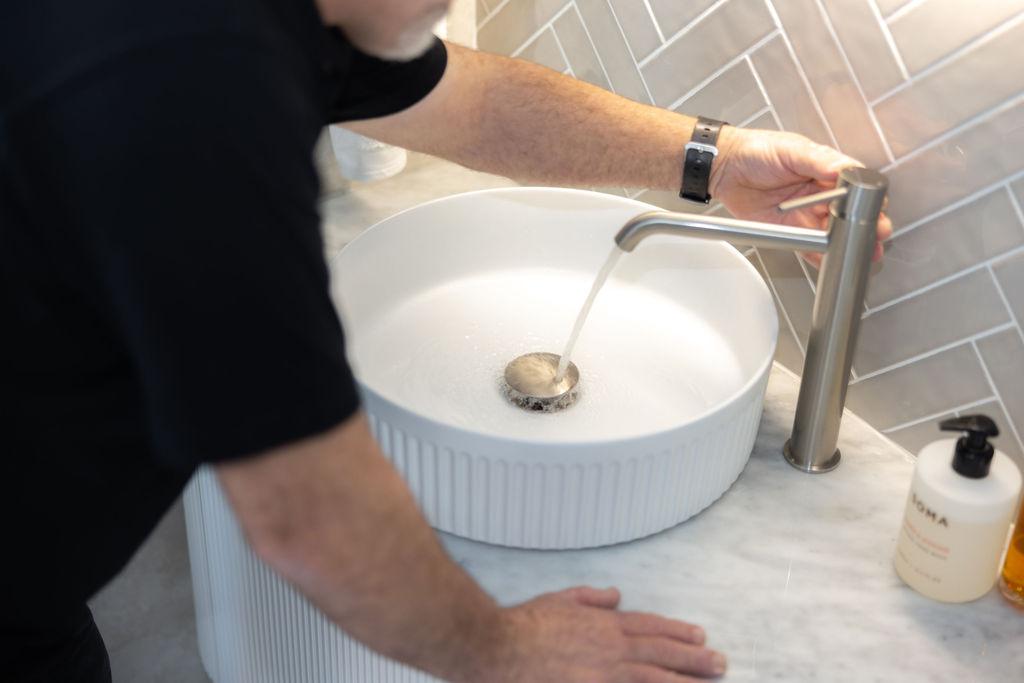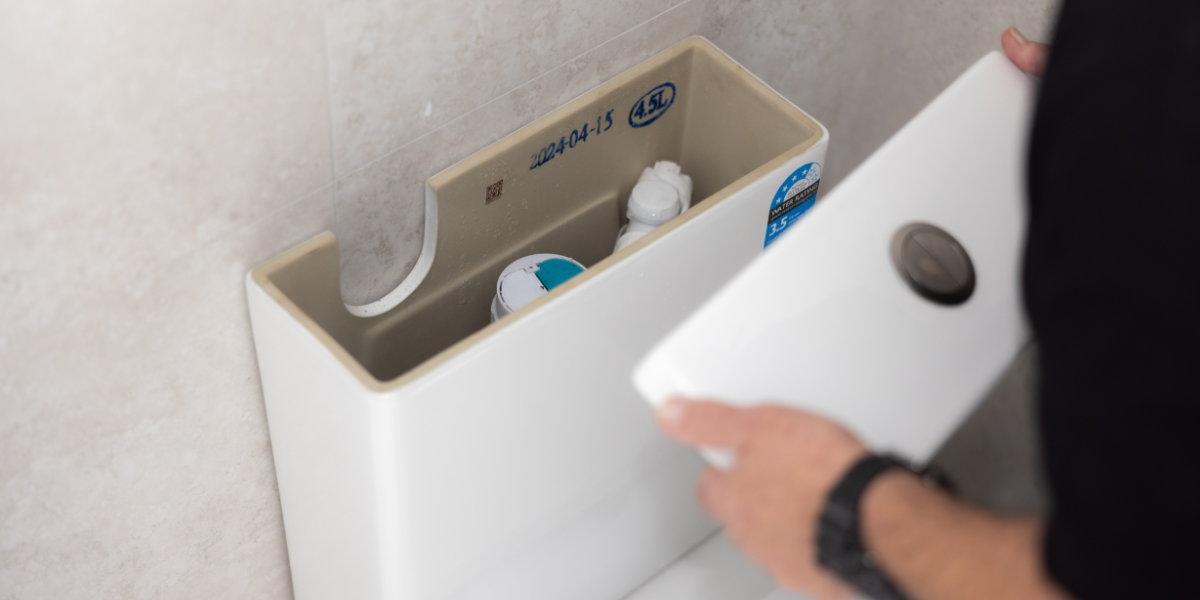
You turn the tap on and wait, and the water's still freezing. You go to the base of the water heater, and you'd expect to see a pool of water, but there's absolutely none. Waking up with no hot water and no idea why is very confusing, and it always seems to be at the most inconvenient time.
Many homeowners assume that a hot water system not working must involve a burst tank or visible flooding. In reality, several internal, electrical, and valve-related failures can stop hot water production without a single drop escaping. A water heater not heating is often a component problem, not a tank problem.
As Sydney’s trusted hot water and emergency plumbing specialists, GSK Plumbing Solutions explains the hidden reasons behind your cold taps and the checks you can do safely before calling for help.
Why Is Your Water Cold If the Tank Isn’t Leaking?
Electric storage, gas storage and continuous-flow hot water systems use different components to heat water. Storage systems hold heated water in a tank, while continuous-flow systems heat water when needed.
If your water stays cold, one of the following components may be at fault:
- Power or gas supply reaching the unit.
- Thermostats and sensors that signal when to heat.
- Heating elements, burners or igniters that produce the heat.
- Valves that control flow and water temperature.
If any one of these fails, you get a water heater that does not heat, even though the shell is sealed and dry. For Sydney households, working out which part has failed is the fastest route to a reliable repair. It also stops you wasting time hunting for a leak that doesn't exist.
Top 5 Hidden Causes of No Hot Water (No Visible Leak)
These are the most common reasons Sydney homes end up with no hot water and a perfectly dry tank.
Tripped Circuit Breakers or Electrical Faults (Electric Systems)
● The Issue:
Electric storage and heat pump water heaters draw heavy current. A power surge, an internal component short or an overloaded circuit can trip the dedicated circuit breaker in your switchboard. An electric hot water heater tripping breaker is one of the most common electrical causes of cold water.
● Why No Leak Exists:
Electricity is cut to the heating elements, leaving a full tank of unheated water. Nothing is broken in the tank itself, so nothing leaks.
● What to Look For:
Check your switchboard to see whether the hot water circuit breaker has tripped. If it has, this could explain why your taps are running cold. A one-off trip after a storm or power surge may be an isolated incident, but repeated trips can signal an electrical fault. If your hot water system keeps tripping the breaker, have a licensed electrician investigate rather than repeatedly resetting it.
Extinguished Pilot Light or Gas Supply Issues (Gas Systems)
● The Issue:
Traditional gas storage tanks rely on a continuous pilot light or an electronic spark igniter to fire the main burner. Drafts, a dirty pilot tube, or a failing thermocouple can automatically shut off the gas supply for safety. A gas hot water system that is not working is often traced back to one of these small parts.
● Why No Leak Exists:
The gas valve blocks fuel to prevent hazards. That means zero heat generation and no external water loss.
● What to Look For:
Look through the unit's inspection window. If there is no steady blue flame, the pilot light has gone out. (Safety warning: If you smell raw gas or sulphur (rotten eggs), do not touch any switches. Evacuate the property and call professionals immediately.)
Faulty Thermostats or Burned-Out Heating Elements
● The Issue:
Water heaters use internal thermostats to regulate temperature. If a thermostat loses calibration or fails, it won't signal the system to heat. In electric units, the heating elements can also burn out over time through wear and mineral scale. A failed heating element is a common reason a water heater stops heating, and a shorted element can also repeatedly trip the circuit breaker.
● Why No Leak Exists:
The electrical/thermal elements fail internally whilst the water containment is completely sealed. The tank is perfect on the outside, with the heating side having ceased to function.
Heavy Sediment and Mineral Scale Buildup
● The Issue:
Minerals and sediment will settle at the bottom of the tank over time. It's a gradual build-up, so many people won't notice until performance starts to deteriorate.
● Impact on Performance:
This thick layer of scale acts as a thermal barrier between the burner/element and the water. It dramatically reduces heating efficiency and, in worst cases, leaves you with water that's only lukewarm. A heavily scaled unit may still run, but it will be a water heater that simply won't heat the water sufficiently for a full shower.
Heavy sediment and mineral scale can reduce heating efficiency, increase heating times and cause unusual noises. Over time, this build-up may affect hot water performance. A licensed plumber can inspect the system and determine whether maintenance or repairs are needed. The result can be a hot water system that appears totally non-functional when, in fact, the unit is running, and the water is warm.
Closed, Stuck, or Failing Tempering and Isolation Valves
● The Issue:
NSW plumbing requirements set maximum hot water delivery temperatures for fixtures used for personal hygiene. Depending on the installation, approved temperature-control methods may include tempering valves, thermostatic mixing valves or other compliant devices. A faulty temperature-control device can affect the temperature or the delivery of hot water to your taps.
● Why No Leak Exists:
If the tempering valve fails internally or an isolation valve is accidentally knocked half-closed, the hot water is cut off before it reaches the taps. The tank may be completely full of hot water, and you still have absolutely no hot water at the taps. Nothing has burst, so there's no leak.
Step-by-Step Homeowner Troubleshooting Checklist (What You Can Safely Check)
These checks are safe for most homeowners and help you describe the problem accurately to a plumber.
Step 1: Perform a Fixture Check
● Action
Turn on multiple hot water taps across different rooms, such as the kitchen, bathroom and laundry.
● Why
If only one tap has no hot water, the issue is likely a localised fixture problem, such as a blocked mixer cartridge or aerator. If every tap runs cold, the fault lies with the water heater itself, and you are dealing with a hot water system not working at the source.
Step 2: Inspect Your Home Switchboard (Electric Units)
● Action
Open your electrical switchboard and find the circuit breaker dedicated to the hot water system.
● Why
If the switch has flipped to the "Off" position, try resetting it once.
● Safety Warning
If the breaker trips immediately a second time, stop. Do not force it. A repeating electric hot water heater tripping-breaker problem indicates a short circuit or a failing element that requires a licensed professional.
Step 3: Check Gas Metres and Pilot Lights (Gas Units)
● Action
Check whether other gas appliances, such as your cooktop, are working to confirm the gas supply is active. On storage units, look through the pilot viewport.
● Safety Warning
Never dismantle gas covers or tamper with gas valves.
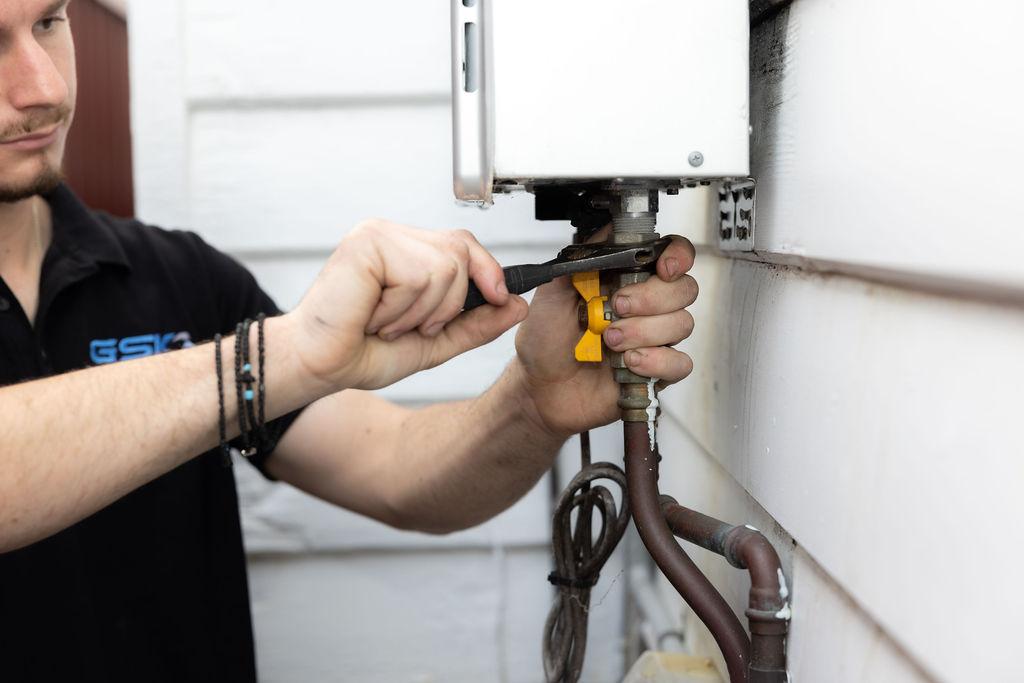
Step 4: Check Valve Levers and Positions
● Action
Make sure the levers on your cold-water inlet and isolation valves are aligned parallel to the pipes. That is the open position. These checks help you diagnose the problem, but they will not fix hot water heater faults that sit inside the unit. Once you have ruled out a switched-off breaker, a dead pilot light or a closed valve, the next step is professional diagnosis.
When to Call Professional Sydney Plumbers (GSK Plumbing Solutions)
Checking breakers, pilot lights and valve positions is safe. Replacing elements, thermostats, valves and anode rods is not a DIY job. It involves electrical and gas components, pressurised water and heat, and in NSW this work must be carried out by licensed tradespeople. If you need to fix hot water heater components safely, or if an electric hot water heater tripping-breaker problem keeps recurring, call a professional.
If you need a reliable hot water plumber in Sydney, our team at GSK Plumbing Solutions can inspect your system, identify the problem and recommend suitable repairs. We provide hot water repairs, replacements and installations across Sydney, including emergency plumbing assistance.
➥ Why Choose GSK Plumbing Solutions for Hot Water Emergencies:

24/7 Emergency Availability Across Sydney:
Hot water failures never happen at a convenient time. A cold shower on a winter morning or a household with no hot water on a weekend can’t wait for business hours. We attend emergency call-outs across Sydney and surrounding suburbs, day and night.
Licensed & Insured Professionals:
Work is carried out by qualified tradespeople under NSW Contractor Licence 346665C. You can verify any contractor's licence through NSW Fair Trading before work begins, and you should.
Upfront & Transparent Pricing:
Clear quotes are provided before any work starts, so there are no hidden surprises. You know the cost of the job before a technician begins to fix hot water heater faults at your property.
Fully Equipped Vehicles:
Vans are stocked with diagnostic tools and common replacement parts. In many cases, this means the issue can be diagnosed and resolved on the spot, without a second visit.
Conclusion
A sudden loss of hot water without a leak is frustrating, but it usually indicates an electrical, gas or valve malfunction that a professional can quickly diagnose. Whether it’s a tripped breaker, a dead pilot light, a worn thermostat, sediment build-up or a stuck valve, the signs are the same: no hot water, a water heater not heating or a hot water system not working, and a dry floor beneath it.
Start with the safe checks above. If the problem persists, a licensed hot water plumber Sydney residents trust can find the cause and restore your supply without guesswork. If your hot water system has let you down, trust our expert team and contact us or request a fast quote online for 24/7 emergency service across Sydney.

No hot water and no visible leak?
Get fast, 24/7 emergency hot water diagnosis and repair across Sydney to restore your hot water supply today.